













Orangery or Conservatory: Choosing the Right Extension for Your Home
If you’re thinking about adding light and space to your home but aren’t sure whether to choose an orangery or a conservatory, you’re in good company, the two are often confused. Both extend your living space and bring the garden closer, and both can be beautiful, comfortable additions to a home. The right choice simply depends on how you want to use the room, your budget and the style of your property. This guide walks you through the differences so you can find the option that suits you best.
What’s the Difference Between an Orangery and a Conservatory?
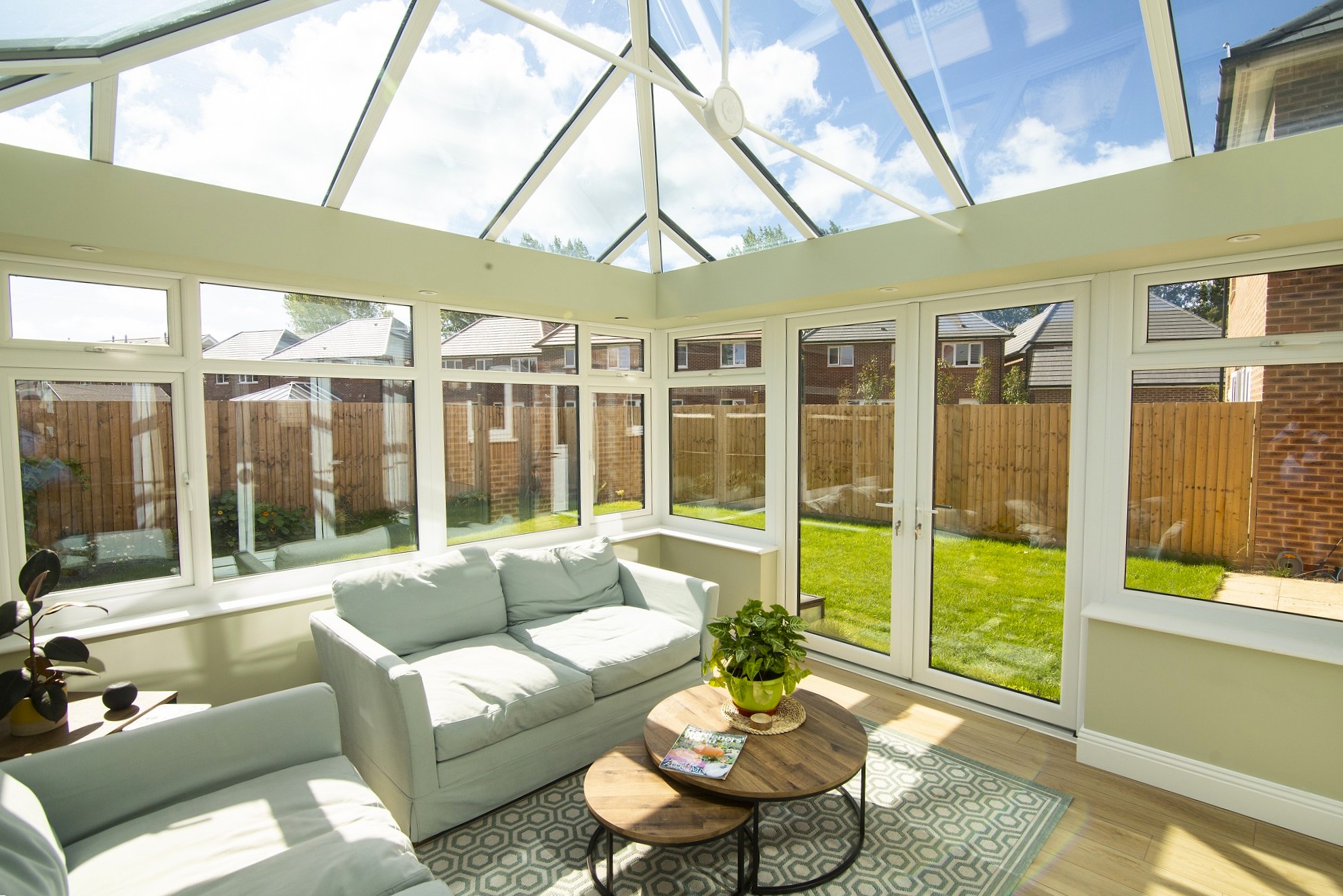
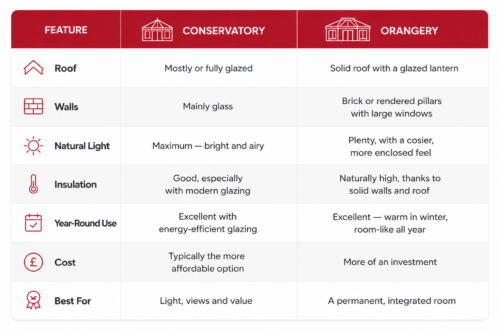
The main difference comes down to the balance of glass to brick. A conservatory is mostly glazed glass walls and a glass roof designed to maximise daylight and garden views. An orangery uses more brick or rendered pillars, with large windows and a solid roof topped by a glazed lantern, giving it the feel of a permanent, room-like extension. As a general rule, if the roof is more than around 75% glass it’s a conservatory; if it’s a solid roof with a central lantern, it’s an orangery.
Here’s a quick side-by-side to help you compare at a glance:
Understanding Orangeries
An orangery originally housed citrus trees through the colder months; today it’s an elegant, solid extension that sits naturally against the existing house. The extra brickwork and lantern roof give it the feel of a true room rather than a glazed add-on — bright, but private and warm.
Orangeries are known for their:
- Robust structure, thanks to substantial brick or rendered pillars that complement the existing building.
- Elegant, bespoke aesthetics that can be tailored to your home’s character.
- Strong insulation, as the solid walls and roof help keep the space comfortable all year.
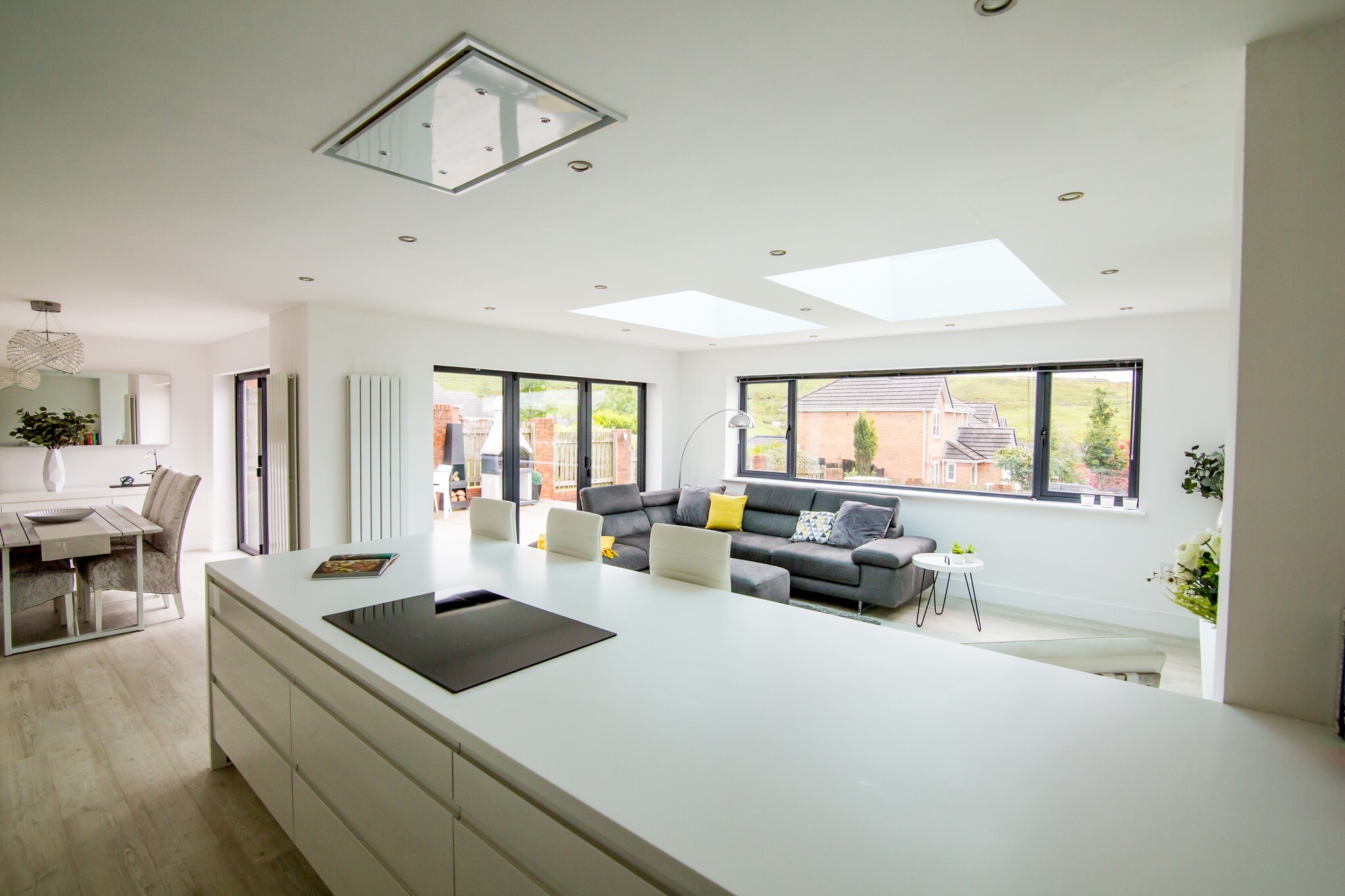
Because every home is different, an orangery can be styled to suit your property, from a traditional design with brick piers and an internal pelmet for a timeless, stately feel, to a lantern orangery where a striking central roof lantern draws light into the heart of the room. Bespoke touches let you tailor the columns, glazing and doors to match how you want the space to look and work.
Understanding Conservatories
A conservatory is a mostly glass structure designed to connect you with the garden whatever the weather. Modern versions are bright, comfortable living spaces, a world away from the chilly plant rooms of the past.
Key features of conservatories include:
- Maximum natural light, with walls and roof largely made of glass.
- A strong connection to the garden, ideal as a dining space, sitting room or sunlit retreat.
- Excellent value, generally needing less construction than an orangery.
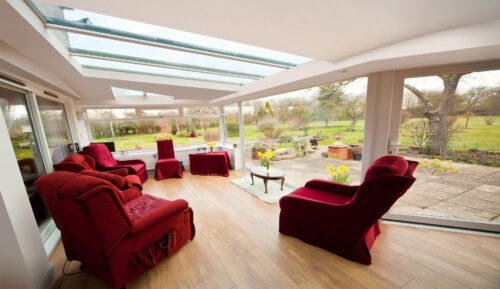
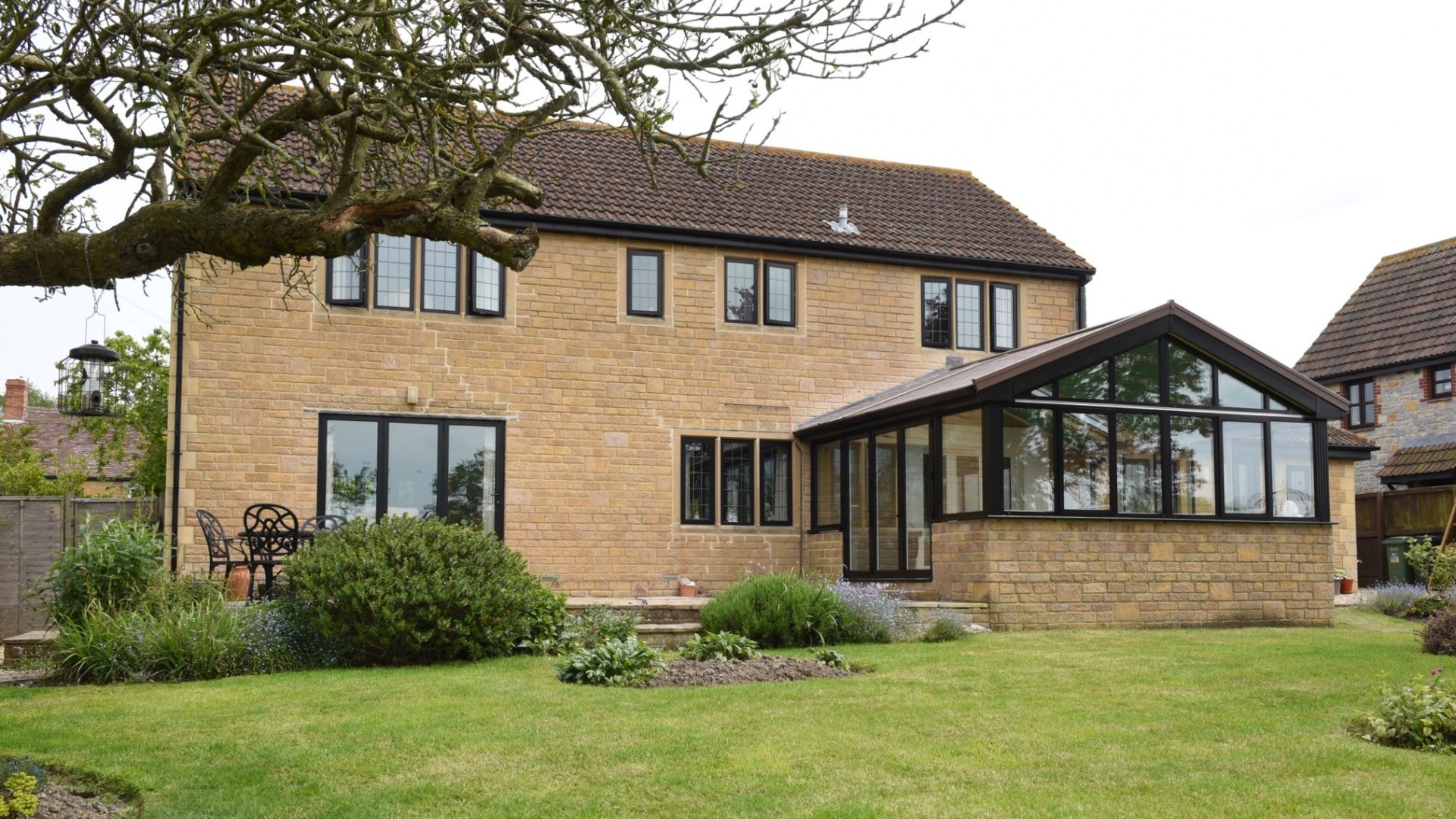
Conservatories come in a range of shapes to suit different homes and gardens, a Victorian style with its bay front and ornate detailing, a square or rectangular Edwardian or Georgian design that maximises usable floor space, a tall gable-fronted style for a real sense of height, or a simple lean-to that fits neatly under the eaves of a bungalow or smaller home. You can also tailor the roof to change how the space feels: a fully glazed roof for maximum light, or a solid or tiled conservatory roof for a warmer, more enclosed, extension-like feel.
Things to Consider When Choosing
Once you understand the basic difference, a few practical questions will help you land on the option that’s right for you.
Is an Orangery Warmer Than a Conservatory?
An orangery does tend to hold heat very well, thanks to its solid walls and insulated roof, so it stays comfortable through winter and summer alike. This isn’t a case of one winning outright, though a modern conservatory fitted with energy-efficient glazing, or upgraded with a solid or tiled roof, can be just as warm and usable all year. If effortless, consistent warmth is your priority, an orangery is a natural fit; if you want maximum light with modern glazing, a conservatory will serve you just as well.
Which Gives You More Natural Light?
If a bright, sun-filled room is top of your wish list, a conservatory is hard to beat, its glass roof and walls let light flood in from every angle and keep you closely connected to the garden. An orangery is still a light, welcoming space, but its solid roof and brick pillars give a slightly more enclosed, intimate feel. It’s really a question of whether you want an airy garden room or a cosier, room-like retreat.
Will an Orangery or Conservatory Add Value to Your Home?
Both can add genuine appeal when they’re well designed and properly built. An orangery is often seen as adding strong value because buyers tend to read it as a permanent room rather than a seasonal add-on. A quality, well-insulated conservatory also adds value and kerb appeal, especially when it’s used as a proper living space. In both cases, it’s the standard of design, insulation and finish, far more than the label, that makes the difference to your home’s worth.
So, Which Is Right for You?
There’s no universal “best”- it comes down to how you’ll use the space and what matters most to you.
An orangery could be the one if you want:
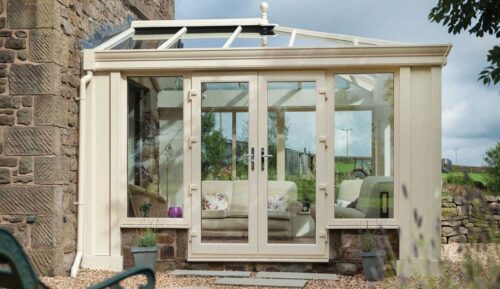
- A warm, room-like space you’ll use comfortably all year
- An extension that blends seamlessly with your home’s brickwork
- A premium, permanent feel and strong added value
A conservatory could be the one if you want:
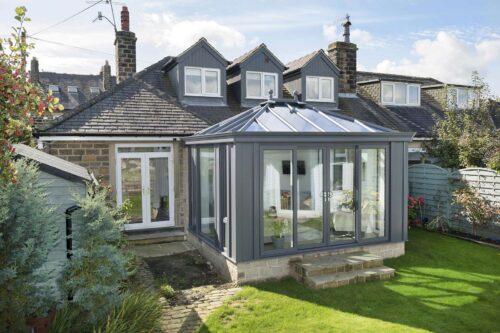
- Maximum natural light and an open connection to the garden
- A more affordable way to add space
- A bright, airy room that’s quicker to install
Frequently Asked Questions
Do You Need Planning Permission for an Orangery or Conservatory?
In many cases, no. Both usually fall under permitted development, provided the project stays within the size and height limits. The main difference is building regulations: an orangery is generally treated as a full extension and needs building regs sign-off, while a conservatory is often exempt if it’s under 30m², separated from the house by external doors, has its own heating and is substantially glazed. Rules vary by property and location, so it’s always best to check with your local planning authority before you begin.
Can You Turn a Conservatory Into an Orangery?
Yes, and it’s a popular way to upgrade an existing conservatory without starting from scratch. Replacing a tired glass or polycarbonate roof with a solid or tiled roof, adding insulated columns or brick piers, and fitting a deep pelmet for downlights can give a conservatory the warmer, more enclosed feel of an orangery. It’s a great option if you love the footprint of your conservatory but want it to feel more like a permanent part of the home.
Ready to Choose?
Whether you’re drawn to the solid, room-like comfort of an orangery or the light, garden-connected feel of a conservatory, the best way to decide is to see how each would work for your home.
Get in touch with the Newglaze team and we’ll talk through your space, your goals and your budget ,and show you designs to help you picture the finished result. Get a free online quote and begin planning your new extension today.

Having spent more than a decade developing his expertise, Danny has a strong understanding of windows, doors, and home improvement products, along with a commitment to delivering excellent customer service. His practical approach and dedication to quality have made him a trusted point of contact for both new and returning customers.
- What to Consider When Buying Windows for Your Home - September 11, 2026
- Choosing the Right Door For Your Home: A Comparison Guide - September 11, 2026
- Do Timber Windows Add Value to Your Home? - July 22, 2026
Categories: Conservatories & Extensions, Orangeries