












Triple Glazing: Is It Worth the Extra Cost in 2026?
If you’re weighing up new windows and keep seeing triple glazing pitched as the obvious upgrade, it’s a genuinely strong option worth understanding properly before you decide. Triple glazing brings real advantages in warmth, comfort and noise reduction and like any home improvement, it’s worth knowing what to expect so you can get the most out of it. This guide walks through what triple glazing does, the benefits it offers, the practical things worth planning for, and how to work out if it’s the right fit for your property.
What Is Triple Glazing?
Triple glazing uses three panes of glass instead of the two found in double glazing, with two gas-filled cavities (usually argon) between them rather than one. The extra pane and cavity create a thicker barrier against heat loss, which is why triple-glazed windows carry lower U-values — typically around 0.8 W/m²K, compared to roughly 1.2–1.4 W/m²K for a good modern double-glazed unit. The lower the U-value, the less heat escapes through the glass, so on paper, triple glazing is the better insulator.
The Benefits of Triple Glazing
Better Thermal Efficiency
The extra pane and gas-filled cavity provide a substantial barrier against heat loss, which is especially valuable through the colder months. This not only helps keep your home warmer without the heating working overtime, but also reduces the cold spots and draughts that can develop near older or less efficient windows. The inner pane sits noticeably warmer to the touch than a double-glazed equivalent, which means a more even, comfortable temperature throughout the room.
Improved Sound Insulation
If you live somewhere noisy, close to a busy road, a flight path, or a built-up area, triple glazing can make a genuine difference to how peaceful your home feels. Specifying triple glazing alongside the right glass thickness, or acoustic laminated glass, gives you the strongest combination available for cutting external noise.
Reduced Condensation
The improved insulation of triple glazing helps reduce surface condensation, which is a common issue with older or less efficient windows. Keeping the inner pane closer to room temperature means less moisture build-up on the glass, helping to protect against mould and supporting healthier indoor air quality.
Enhanced Security
The added pane and the deeper, purpose-built frames triple glazing is installed in contribute to a stronger, more solid window. Combined with quality locking hardware, this gives an extra layer of reassurance for your home.
Long-Term Comfort and Property Appeal
A well-specified triple-glazed window is a long-term investment in how your home feels day to day, and energy-efficient glazing is a feature many buyers look for favourably when it comes to property value.
Triple Glazing Styles and Frame Materials
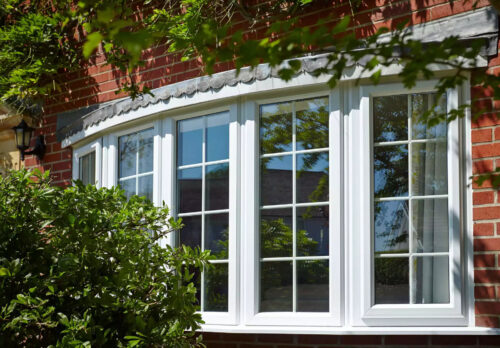
Triple glazing isn’t limited to one look — it’s available across most of the same styles and frame materials as double glazing, so you don’t need to compromise on how your windows look to get the extra performance.
By style:
- Casement windows are the most common choice, hinged at the side and opening outwards. They’re a straightforward, cost-effective way to add triple glazing to most homes.
- Tilt and turn windows tilt inwards at the top for ventilation or open fully inwards for easy cleaning — a practical option for upper floors or rooms where outward-opening windows aren’t ideal.
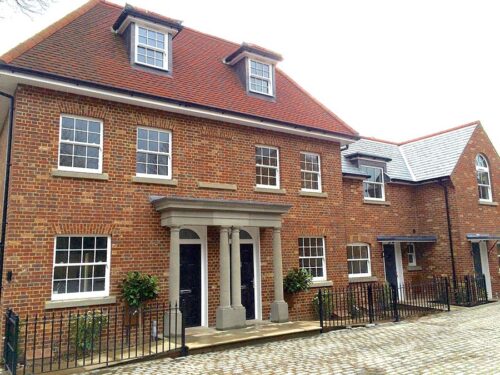
- Sliding sash windows suit period and heritage properties, sliding open vertically while keeping a traditional appearance.
- Bow and bay windows combine several window sections to create extra interior space and a striking exterior feature.
By frame material:
- uPVC is durable, low-maintenance and typically the most cost-effective frame option for triple glazing.
- Aluminium offers a slim, contemporary profile and a longer lifespan, suiting modern homes that want a sleek finish.
- Timber brings a traditional character that suits period properties particularly well, and is a popular choice where appearance is the priority.
Whichever combination suits your home, your installer can talk you through which styles and materials work best with a triple-glazed specification for your specific windows.
How Long Do You Plan to Stay in Your Home?
This is one of the simplest ways to judge whether triple glazing makes sense for you right now. The longer you plan to stay in your property, the more time you have to benefit from the comfort and any energy savings, which makes the upfront cost easier to justify. Timing matters too: if you’re fitting new frames anyway, for an extension or a full window replacement, the extra cost of specifying triple glass over double is far smaller than treating triple glazing as a standalone upgrade to otherwise good windows.
Things to Consider Before Choosing Triple Glazing
Understanding the Real-World Savings
The biggest jump in comfort and savings happens when you move from old or single glazing to modern double glazing — that’s where most of the gain sits. Moving from a good A-rated double-glazed window to triple glazing typically adds a further £20–£50 a year in heating savings for a typical UK home, since our climate is milder than the Scandinavian and central European conditions triple glazing was originally designed for. It’s worth knowing this so you can set realistic expectations for the payback period, particularly if your current windows are already reasonably modern.
Getting the Most From Noise Reduction and Your EPC Rating
Pane count alone isn’t the only factor in how much external noise a window blocks, glass thickness and specification matter just as much, so if a particularly quiet room is the priority, it’s worth asking about acoustic laminated glass alongside your triple glazing. Similarly, triple glazing can support a stronger Energy Performance Certificate rating, though the improvement over modern double glazing is often modest. If either of these is a specific goal, a professional assessment first will tell you exactly what difference your glazing choice will make.
Thickness, Weight and Budgeting
Because there’s an extra pane and cavity, triple-glazed units are thicker and heavier than double-glazed ones, so installation should always be handled by professionals fitting frames designed to support the extra weight. This, along with the additional materials, is why triple glazing typically costs 15–35% more than an equivalent double-glazed window. It’s worth weighing that upfront cost against how long you plan to stay in the property and how much you value the comfort gain.
Is Triple Glazing Right for You?
Triple glazing tends to deliver the most noticeable benefit if any of the following apply to your home:
- Your current windows are old, draughty or single-glazed, so any upgrade will bring a real improvement in comfort
- You live somewhere cold, exposed or rural, where wind chill and heat loss are bigger factors
- You’re aiming for a very high energy efficiency standard, such as a new-build or eco-renovation
- A consistently warm, quiet home matters more to you than the speed of the financial payback
If your existing double glazing is reasonably modern, you live in a milder area, or budget is the deciding factor, it’s still worth having the conversation, a good installer can talk you through realistic numbers for your specific property rather than a generic estimate.
Frequently Asked Questions
Can I retrofit triple glazing into my existing frames?
Usually not. Triple-glazed units are thicker and heavier than double-glazed ones, so most installations involve new frames built to support the extra weight rather than changing the glass within your current frames. A surveyor can confirm what’s realistic for your specific windows.
Do I need building regulations approval for new windows?
Yes, in most cases — replacement windows in England and Wales need to meet current Building Regulations for thermal performance and ventilation. You can find more detail on what’s required for your project on our building regulations page.
How long does triple glazing last?
A properly installed, good-quality triple-glazed window can last 20 years or more, provided the frames, seals and hardware are well specified and maintained.
Making the Decision
For homeowners in colder or more exposed parts of the UK, or those replacing old, inefficient windows, triple glazing is a genuinely worthwhile investment in long-term comfort, warmth and a quieter home. The best way to know for certain is to get a proper assessment of your property, so the recommendation is based on what your home actually needs.
Get in touch with the Newglaze team and we’ll talk through your windows, your goals and your budget, and help you find the specification that’s genuinely right for your home. Flexible finance options are available to help spread the cost, and you can start your free online quote whenever you’re ready.

Having spent more than a decade developing his expertise, Danny has a strong understanding of windows, doors, and home improvement products, along with a commitment to delivering excellent customer service. His practical approach and dedication to quality have made him a trusted point of contact for both new and returning customers.
- What to Consider When Buying Windows for Your Home - September 11, 2026
- Choosing the Right Door For Your Home: A Comparison Guide - September 11, 2026
- Do Timber Windows Add Value to Your Home? - July 22, 2026
Categories: Guides & Advice, Windows