












Casement Windows vs Flush Casement Windows
Choosing new windows involves more than comparing colours and glazing. The shape of the frame, the way each opening sash sits and the character it brings to your property can all influence your decision. Casement windows and flush casement windows share many practical qualities, but their appearance is noticeably different.
At Newglaze, we offer both styles in uPVC, with a range of colours, finishes, glazing choices and hardware options. Understanding the differences can help you decide which design suits your home and your personal preferences.
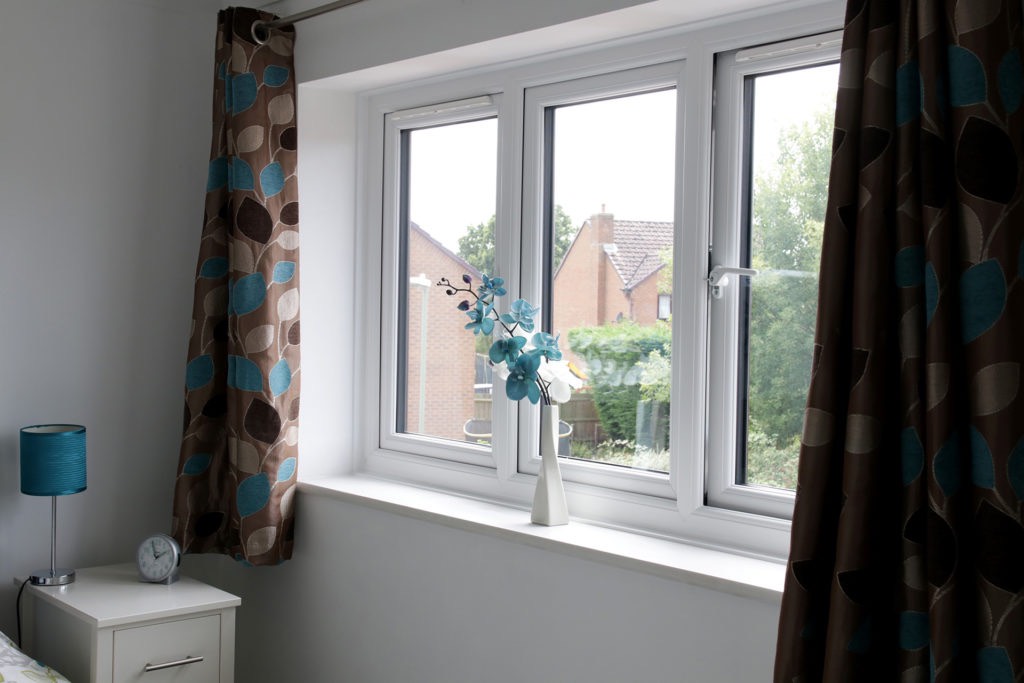
What are casement windows
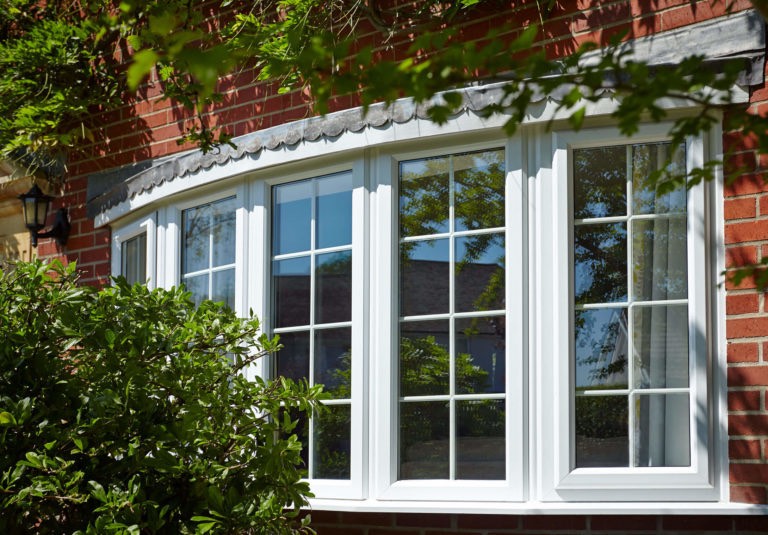
Casement windows are one of the most familiar window styles in British homes. The opening section is attached to the frame with hinges and can be designed to open from the side or the top. When closed, the sash sits slightly proud of the surrounding frame, creating subtle depth and clearly defined lines.
Our uPVC casement windows are versatile enough for many types of property. Different opening configurations can be used to provide the ventilation you need, while fixed panes can be included where an opening is not required. This flexibility makes casement windows useful for everything from compact bathrooms to wide living room openings.
The uPVC construction is easy to care for and does not require the regular painting associated with traditional timber frames. Double glazing, secure locking systems and weather resistant profiles also help create a comfortable and protected home.
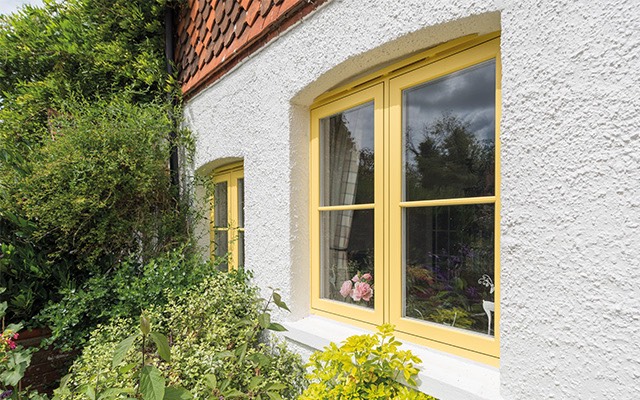
What are flush casement windows
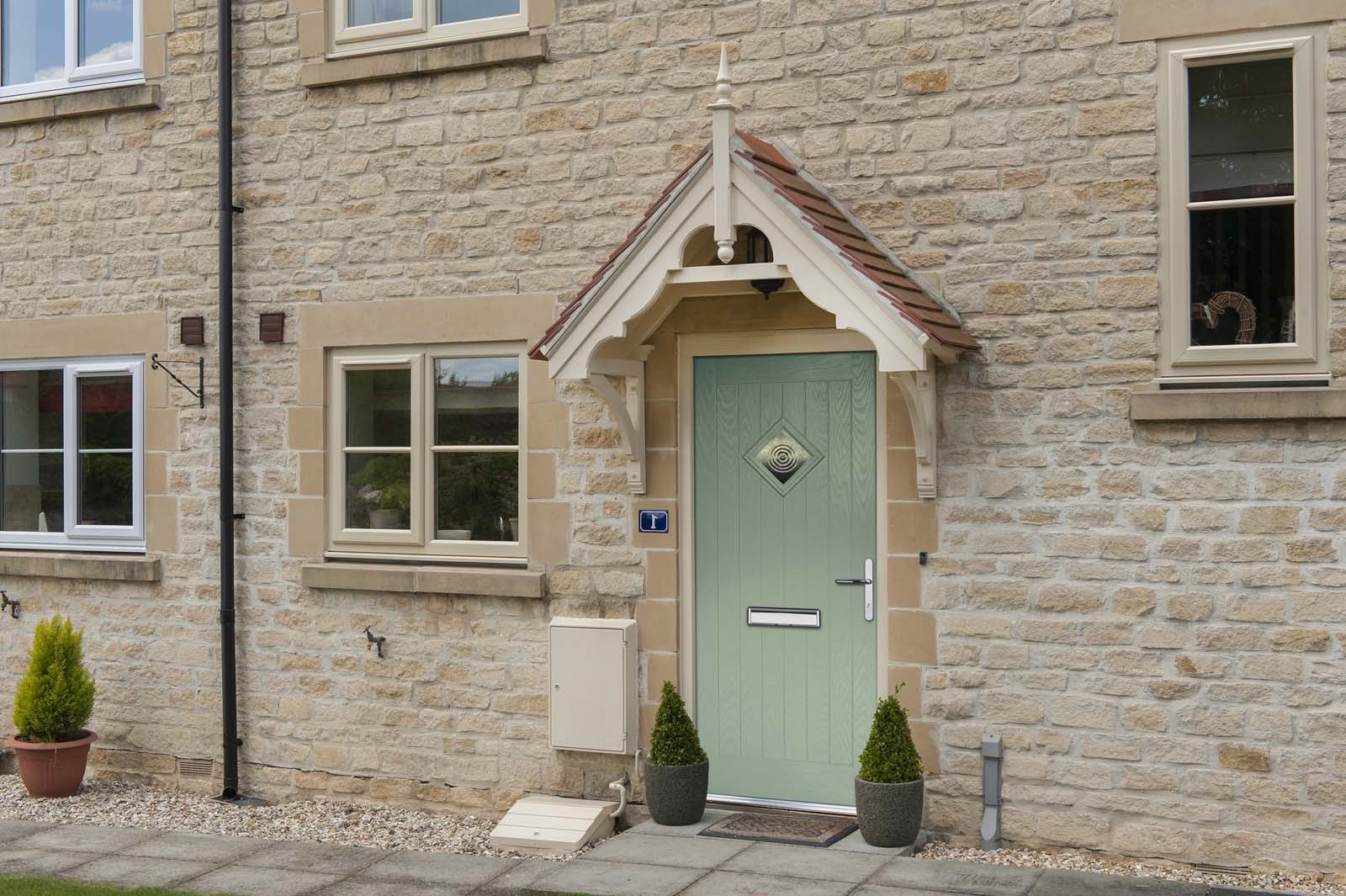
Flush casement windows operate in a similar way, but there is an important visual difference. When the window is closed, the sash sits level with the outer frame rather than projecting beyond it. This creates a flat, balanced finish with clean external lines.
Our uPVC flush sash windows combine this traditional flush appearance with the practical qualities of modern uPVC. Their design can resemble the neat proportions of timber windows, which may appeal if you want period character without the same level of upkeep.
Flush frames can work particularly well on cottages, country homes and properties where sympathetic styling matters. They are not limited to older buildings, though. Their simple lines can also complement modern homes, especially when chosen in a darker or more understated colour.
Comparing appearance and character
Appearance is the clearest distinction between these two window styles. Standard casement windows have a slightly more defined frame because the opening sash overlaps the outer profile. This familiar design can suit many homes, including modern developments, family houses and properties being updated throughout.
Flush casement windows provide a flatter finish. This can give the frame a more traditional, timber inspired character, although colour and hardware choices can create a contemporary result as well.
Consider the existing details on your property. Brickwork, render, roof materials, doors and surrounding homes may all guide your choice. If you are replacing only some of your windows, matching the remaining frames may also be important.
Ventilation and everyday use
Both styles can be configured with practical opening sections, including top hung and side hung sashes. The right arrangement will depend on the room, the available space and how much ventilation you would like.
A top opening may be useful where regular background ventilation is wanted, while a wider side opening can provide greater airflow. Fixed panes can also help create larger areas of glass and clearer views. Our team can talk through suitable configurations for each room rather than applying one arrangement across the whole property.
Energy efficiency security and maintenance
Casement and flush casement windows both benefit from modern uPVC construction and insulated glazing. A properly specified and professionally fitted window can reduce unwanted draughts and help retain warmth.
Both options are also designed with secure locking and robust frames. The exact glass, handles and hardware can be selected as part of your quotation. As uPVC is resistant to common weathering issues, routine care generally involves cleaning the frames, glass and moving parts.
Which style suits your home
Your decision may come down to the look you prefer. Standard casement windows offer familiar proportions and broad design flexibility. Flush casement windows provide a level external finish with a stronger connection to traditional timber styling.
There is no single choice that suits every property. Think about the age of your home, its surroundings, your preferred colour and the appearance you want from the outside. It can also help to compare samples in person before deciding.
To learn more about both options, get in touch with Newglaze. We can discuss your ideas, explain the available choices and provide a quote for windows suited to your home.

Having spent more than a decade developing his expertise, Danny has a strong understanding of windows, doors, and home improvement products, along with a commitment to delivering excellent customer service. His practical approach and dedication to quality have made him a trusted point of contact for both new and returning customers.
- Casement Windows vs Flush Casement Windows - November 10, 2026
- How Modern Glazing Helps Keep Homes Warm in Winter - November 10, 2026
- How Much Does a Composite Door Cost in 2026? - October 21, 2026
Categories: Updates